

Looking beyond Results Day
GCSE and A level results day are something many of us can relate to, and for young people it can feel really difficult. There's often an overwhelming pressure that the numbers, or previously letters, on that piece of paper will define the rest of their lives. When you're 15 or 16, it's hard to see past that.
But we want to reassure young people that however results day turns out, it's okay. No one needs to have their life figured out at 15 or 16. We spoke to some of our amazing volunteers, mentors and trustees, who shared their own experiences of taking less linear paths, what you might call "squiggly careers".
Life doesn't always follow a straight line, and that's okay.
It's okay not to know exactly what you want to do, and it's okay for your path to have twists and turns along the way. The truth is, none of us can predict where life will take us, and expecting a teenager to know exactly what they want to do can be a lot to ask.
Whether you're collecting GCSE results, A Level results, or supporting a young person through the process, it's important to remember that everyone's journey looks different.
We asked our volunteers one simple question:
What did you want to do when you were 16 or 18, and how did life actually unfold from there?
Their responses are honest, reassuring and full of valuable reminders for anyone wondering what comes next.
Dan, Mentor
Dan's story shows that there isn't one route to success. At 16, he was dealing with challenges at home, struggling with his mental health and feeling defeated by his GCSE results. A change of environment helped him rebuild his confidence, and over time his path took him through further education, journalism, research and human rights advocacy. Looking back, Dan's journey is a reminder that not achieving what you want to in one situation doesn't define what you're capable of, and that some of life's biggest opportunities can come from unexpected twists and turns.
"At 16, I had no real idea what I wanted to do. My exam results felt like a verdict on my future. They weren't, and if I'd been shown my life now when I opened those GCSE results, I don't think I would have believed it."
Paul, Mentor
Paul grew up on a council estate and remembers a time when many young people from similar backgrounds were expected to stay local and take low-paid work. At school, he had no clear plan for his future beyond an interest in joining the RAF. But a recruiter saw potential in him, encouraged him to explore opportunities he hadn't considered and helped set him on a path that would take him far beyond what he thought was possible. Looking back, Paul's story is a reminder that you don't need to have your future mapped out at 16. Sometimes the right opportunity, or the right person believing in you, can change everything.
"I have had so much help and guidance in my life and been, seen and done a great number of things that my seventeen-year-old self wouldn't have thought possible, including controlling satellites in outer space!"
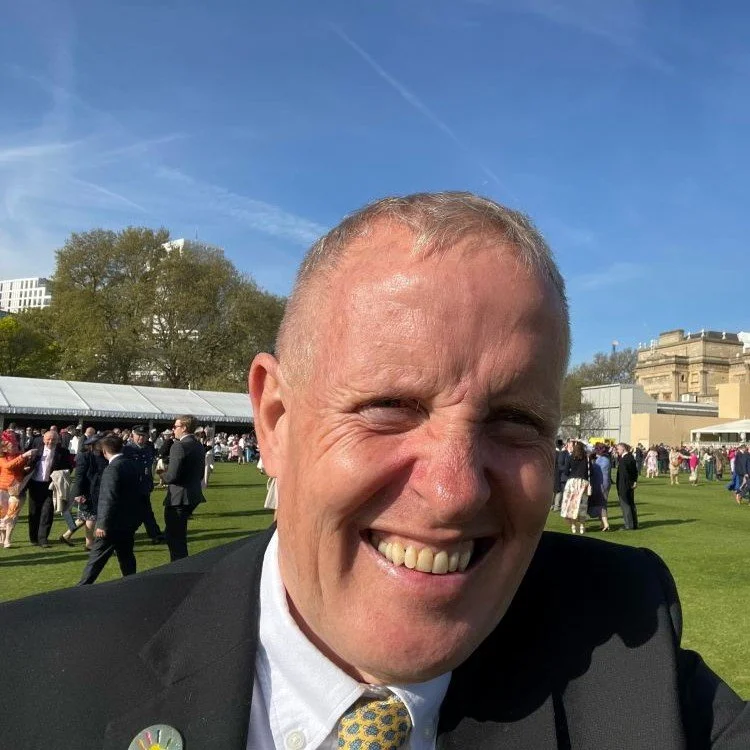
Martyn, Ambassador
Martyn had no clear career plan when he was 16 and remembers feeling stressed while waiting for exam results, just like many young people do today. He didn't become the policeman he imagined he might be. Instead, his path led him into investment banking, where he spent decades building a successful career and interviewing people from all kinds of backgrounds and educational routes. Through that experience, he learnt that exam results and qualifications are only one part of the picture. The qualities that really stand out, he says, are character, curiosity and the willingness to make the most of opportunities that come your way.
"Your qualifications show merely the level of your learning, but they show little, if anything, about the person. I still believe your job role will be won by YOU, the person sitting there in front of the interviewer."
Deborah, Trustee
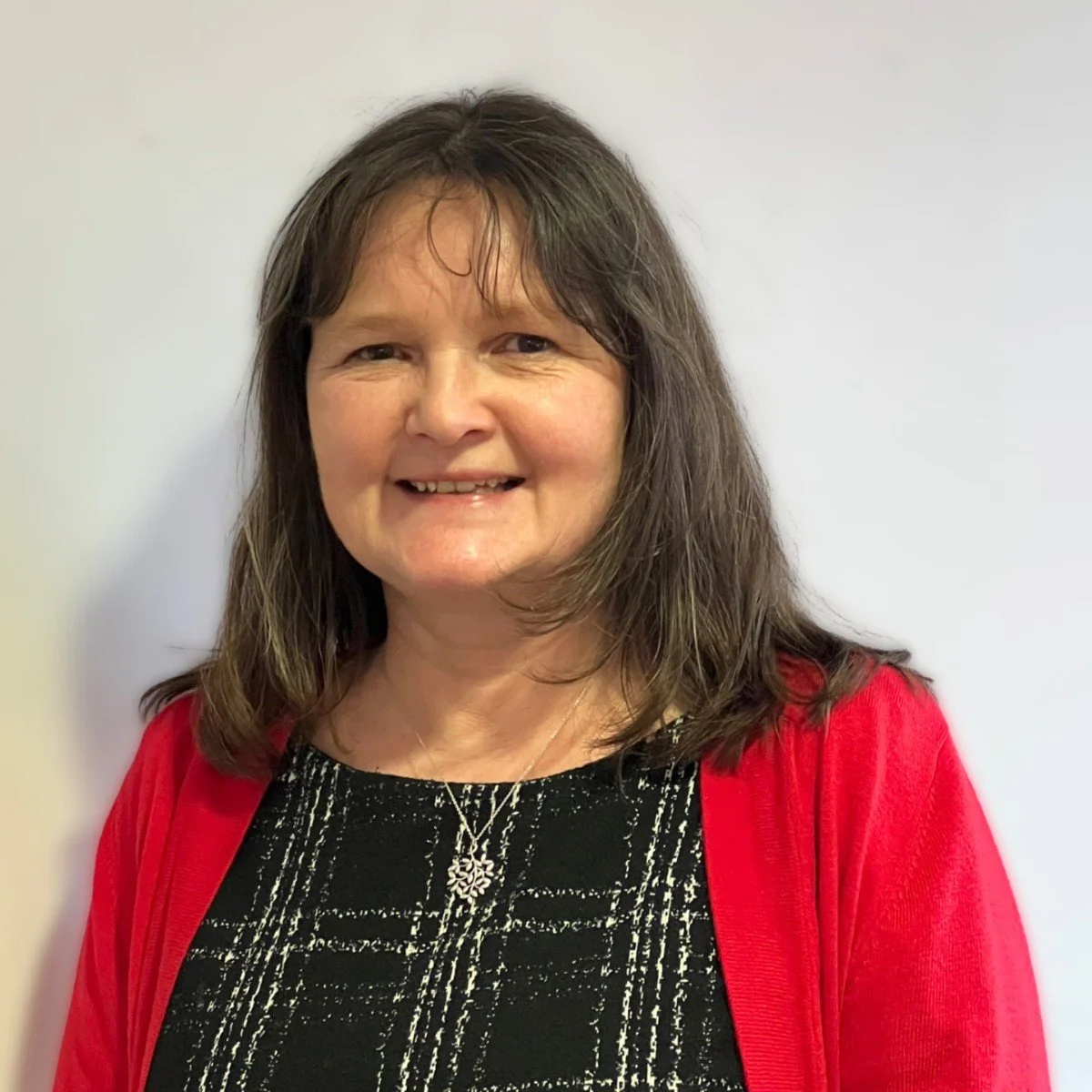
When Deborah didn't get the A level grades she needed for university, it felt like her carefully planned future had suddenly changed course. While others saw failure, she slowly began to see an opportunity to pause, reflect and decide what she really wanted. After retaking her exams, studying at university, travelling and working abroad, and eventually building a successful career in BBC broadcasting, Deborah learnt that life's most valuable experiences don't always come from the path you originally planned. Her journey is proof that careers can be wonderfully squiggly, and that a setback today doesn't stop you reaching your goals tomorrow.
"Try not to label setbacks as failures. There will be other routes, even if you can't see them yet, and they may even be better. Take opportunities as they arise, even if they feel a bit left field, and trust yourself... you'll arrive where you need to be when you are ready."
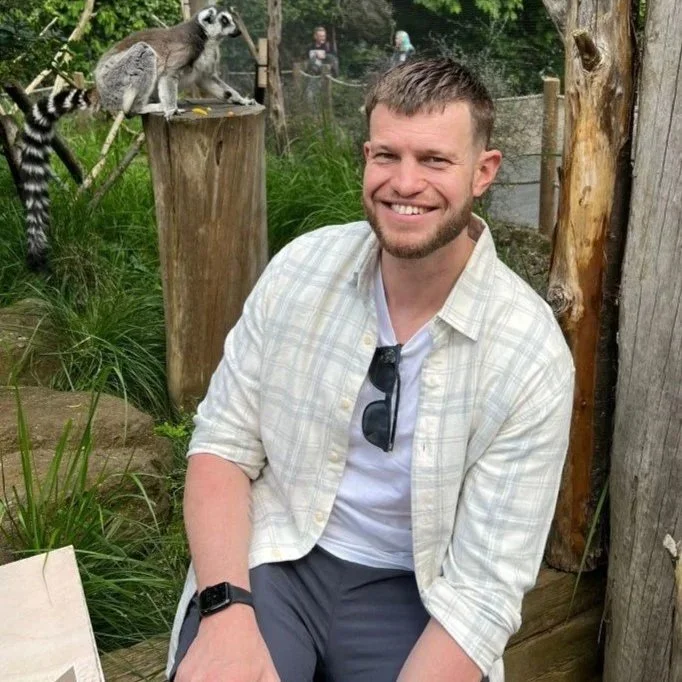
Oliver, Mentor
Oliver's career is a reminder that life's most rewarding opportunities don't always come from a master plan. Starting work at 18 with no clear idea of where he was heading, he built a career by following his curiosity, saying yes to new challenges and being willing to step outside his comfort zone.
Over time, those experiences led him into leadership, mentoring and charity work, but none of it was planned from the start. His story shows that careers are often built one opportunity at a time, not in a straight line.
"You don't need a master plan. You don't need all the answers. Be curious, say yes to opportunities. Looking back, I think not knowing was one of my greatest advantages. For years we’ve been encouraged to think about careers as ladders, but mine certainly wasn’t."
What feels clear from everyone we spoke to is that few people's lives turn out exactly as they imagined when they were younger. The paths they have taken have been shaped by opportunities, setbacks, curiosity, courage and sometimes simply being open to trying something new.
We hope their stories are a reminder that results are only one small part of a much bigger journey. Young people don't need to have everything figured out. They don't need to know what they want to do for the rest of their lives; they just need to take the next step that's right for them.
For the adults around them, perhaps that's the most important message of all. To reassure them that their worth is not defined by a set of results, that there are many different routes through life, and that a path doesn't have to be straight to lead somewhere wonderful.