

Navigating online influence: A guide for families
Following recent conversations sparked by Louis Theroux’s Into the Manosphere documentary, many parents and carers are becoming more aware of the kinds of messages children and young people may come across online. For some, this can feel confusing and worrying - especially when it’s not always clear what young people are seeing, or how it might be influencing them.
At Kids Inspire, our therapy team reflected on this too, providing insight into how we can help protect children and young people. The online world moves quickly. Language, trends and influences change all the time, and sometimes they can be hidden within everyday conversations.
Starting with curiosity, not concern
One of the most helpful things we can do is create space for open, everyday conversations about what young people are watching and engaging with online.
This doesn’t have to be formal or serious. It can be as simple as:
“What do you enjoy watching at the moment?”
“Have you seen anything interesting online recently?”
The goal isn’t to catch anyone out, it’s to stay connected.
It’s about keeping those lines of curiosity open, without it being a critical tone.
When young people feel judged or dismissed, they’re more likely to keep things to themselves. When they feel heard, they’re more likely to share.
Understanding the pull of online influence
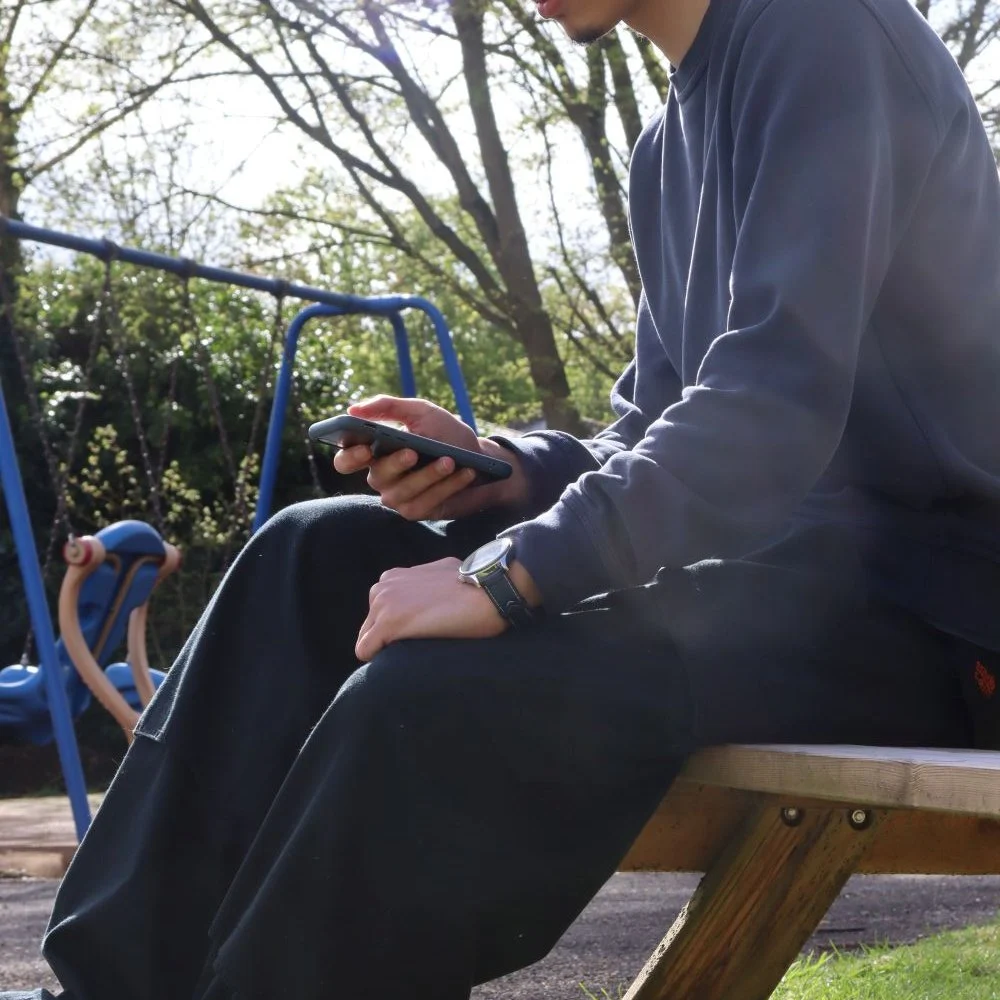
Many online influencers present a lifestyle that looks appealing - confidence, success, financial freedom. For young people who are still figuring out who they are and where they fit, this can sometimes come across as powerful.
Some online spaces also promote rigid ideas about masculinity, defining what it means to be “tough,” “dominant,” or “successful.” These messages can affect children’s self-esteem, relationships, and mental health. These repeated messages online can begin to shape how young people see themselves, their relationships, and what they believe is expected of them - often without them even realising.
At the same time, young people today are often more aware of things like money and financial pressure than previous generations.
When messages about “quick success” or “easy money” appear online, they can be especially persuasive - particularly for those who may already feel uncertain or vulnerable.
But as we all know, it’s important to remember that not everything online is as it seems. It might be dressed up to look good, but underneath it is often something very different.
Why it’s not always obvious
Often this content can be subtle. It may not come up directly in conversation, and it doesn’t always appear in obvious ways.
Social media platforms and algorithms can often play a huge role in this. Once a young person engages with certain content, they’re often shown more of it.
This can make certain ideas feel more common or “normal” than they really are.
Noticing small changes
Rather than trying to keep up with every new trend or piece of slang (which can change quickly), it can be more helpful to notice small shifts.
This might include:
New or unfamiliar language
Changes in attitude or tone
More fixed or “all or nothing” thinking
These aren’t reasons to panic - they’re opportunities to gently check in.
It’s not about knowing every term - it’s about noticing small changes and staying curious.
How to respond
If something does come up, how we respond to children and young people can make a big difference.
Try to:
Stay calm and open
Ask questions rather than shutting things down
Show interest, even if you don’t fully understand
For example, use phrases like:
“That’s interesting - where did you hear that?”
“What do you think about it?”
“Tell me about what you’re watching.”
If young people feel criticised, they may simply move the conversation elsewhere - or stop sharing altogether.
Connection matters most
You don’t need to have all the answers or understand every platform. What matters most is the relationship.
Taking an interest in what young people enjoy - even joining in at times - can help build trust and understanding.
A final thought
While Louis Theroux’s Inside the Manosphere documentary has brought these conversations into the spotlight, the reality is that young people have been navigating online influences for some time.
We can’t control absolutely everything children and young people see, but we can stay present, curious and open. Create a space where they feel safe to explore, question and come back to us when they need support.
Have your voice heard
You can also have your voice heard through the UK government’s consultation, Growing up in the online world, which asks parents, carers, young people and professionals about how social media and technology affect children. The survey is open until 26 May 2026 and can help shape future guidance and support for families.